Search the portfolio

33 matches · showing 7

11 choices. A body of work. A web of ideas.

Skip to case study
Evelyna Bellamy
Auto · Daylight
Time of day

Following your local clock · Daylight

Warm ivory · charcoal · open sky

Local time, no location access. Choose a stop to keep that atmosphere.

A material atlas

Chromologium

Making design systems felt.

Design / Research / Engineering

An independent archive translating physical, cultural, and historical knowledge of making into digital design. Color is the entrance; the larger subject is how an interface acquires a coherent character.

Color lives
between systems
and people.

Pigment
Light
Material
Interface
Human

A more
sensory
commons

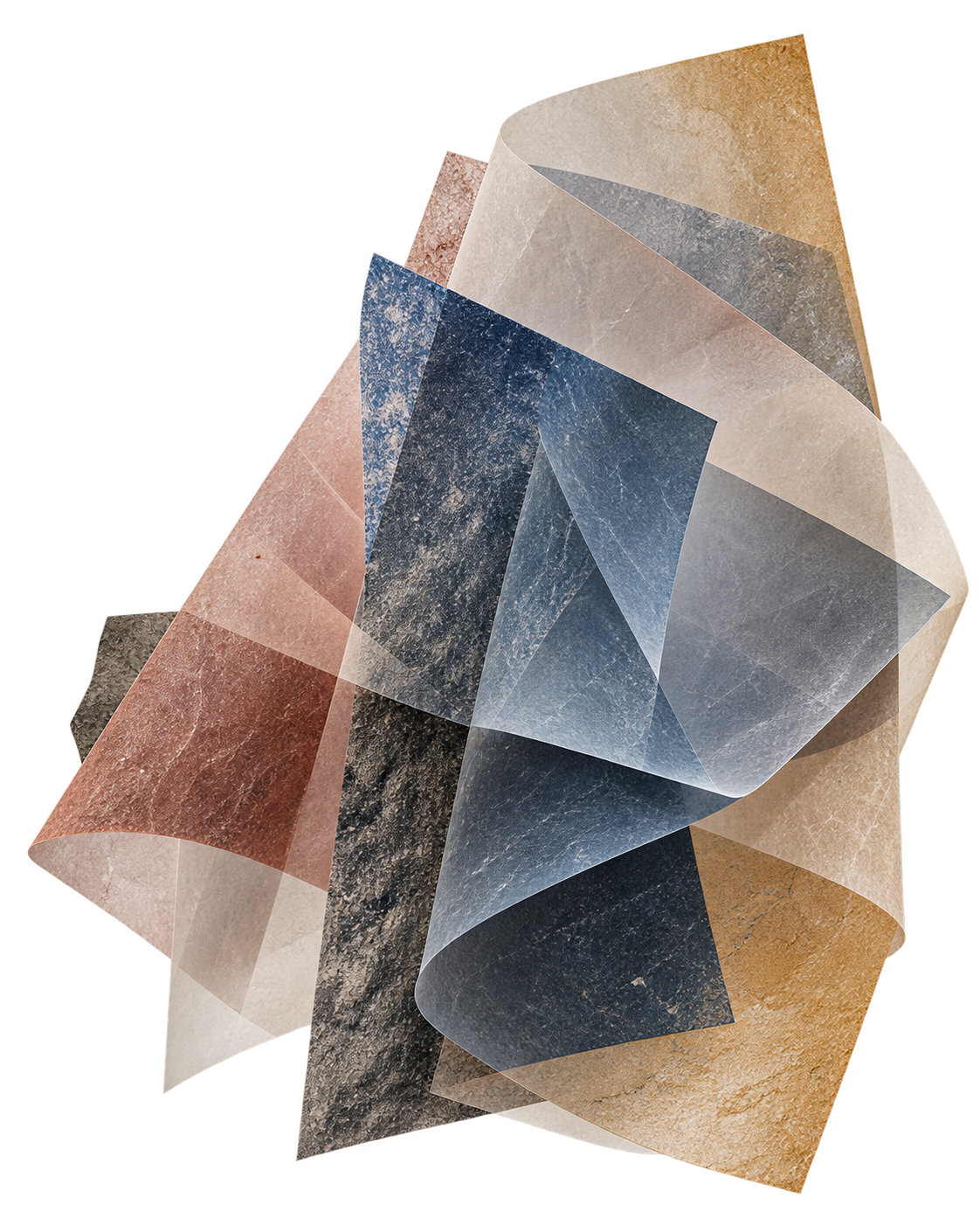
Eight illustrated materials. Choose a sheet to explore its palette, surface and origin.

Illustrations · art-directed motion, not physical simulation.

01 / The question

What gets lost between a design system and the experience of using it?

Tokens describe individual choices. A visual system also depends on the relationships between typography, light, surface, motion, and interaction. Chromologium makes those relationships available for inspection through working studies rather than a palette alone.

This working edition describes the project’s current structure and design questions. It does not claim measured user or business outcomes.

02 / A working study

One interface. Different languages.

Illustrative / interactive

An original explanatory specimen for this case study—not a screenshot or reproduction of the live archive’s systems.

ChromologiumLibrary · Journal · Study

Color
shapes
what we
notice.

A design system for
a more human spectrum.
A closer look →
Hues
Materials
Combinations
Contexts
Field notes
A / Classic

A considered, editorial voice.

ChromologiumLibrary · Journal · Study

Color
shapes
what we
notice.

A design system for
a more human spectrum.

A closer look →
Hues
Materials
Combinations
Contexts
Field notes
B / Modern

A restrained, contemporary system.

ChromologiumLibrary · Journal · Study

Color
shapes
what we
notice.

A design system for
a more human spectrum.

A closer look →
Hues
Materials
Combinations
Contexts
Field notes
C / Material

A softer, tactile composition.

Reading the difference / Editorial

Serif typography, generous margins, and a warm paper surface make this version feel like a publication. The material sits beside the words, not behind them.

Evidence / Illustrative specimen

Three treatments, one piece of content

Decision Hold the words and image constant so the comparison exposes hierarchy and composition, not a change in subject matter.

Compare the three treatments
How to inspect: Three treatments, one piece of content
  1. Compare the repeated headline ‘Color shapes what we notice’ and the same pigment image across all three miniatures.
  2. Select Technical, then Expressive. Read the note beneath the specimens and compare the dark, sharply framed treatment with the circular crops and overlapping forms.
  3. Notice that selecting a treatment changes its explanatory note and selected state; the three compositions remain available side by side.

Limit These are authored comparisons for the portfolio, not captures of the live archive. They expose design choices but cannot establish which treatment is easier to read or use.

03 / Design rationale

Precision.
And feeling.

The choices an interface makes visible.

01

Material, not decoration.

The archive treats physical materials as a source of interface principles. The challenge is to preserve their character without making reading and navigation depend on visual effects.

02

Compare the whole system.

The Editorial, Technical, and Expressive specimens hold the headline and material image steady while changing typography, crop, spacing, and surface. Each selection opens a note explaining the visible differences.

04 / Inspect the work

From the project itself.

Tools & methodology / external links

Behind the work

The workshop stays open.

Earlier compositions, material experiments and the arrangement editor live in a separate lab. Explore the process without losing the thread of the case study.

Explore the material lab